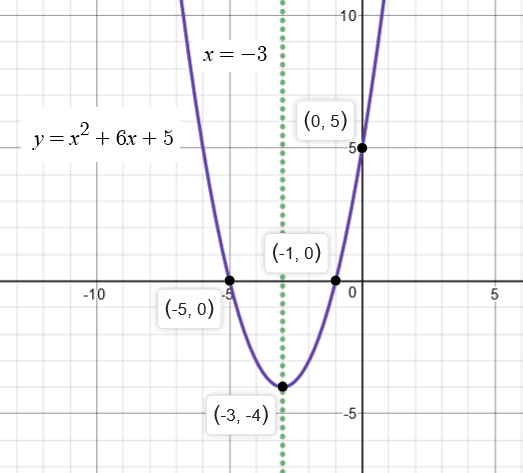
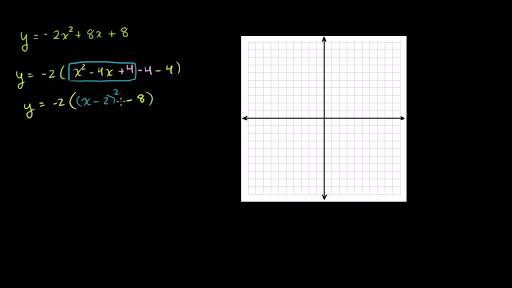
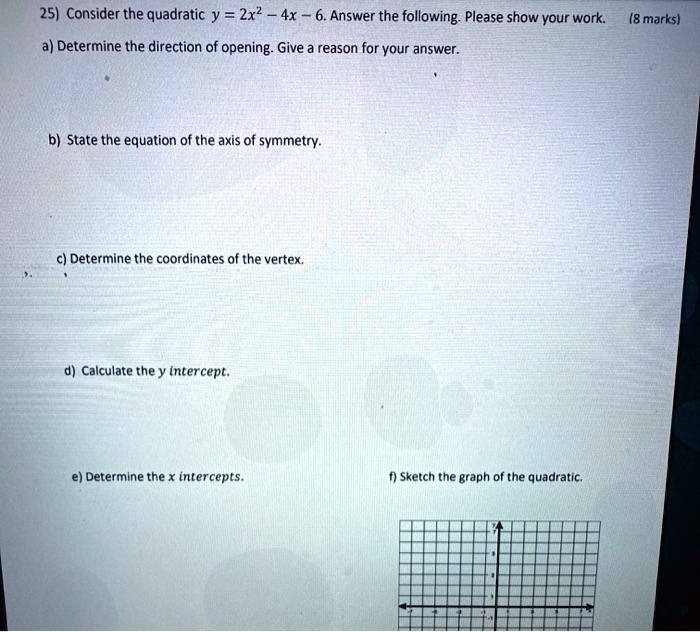
Now in your given equation, set y equal to zero, and you have the standard form by comparing this equation term by term with the generic form, you can see that a = 2, b = 6, and c = 5 for
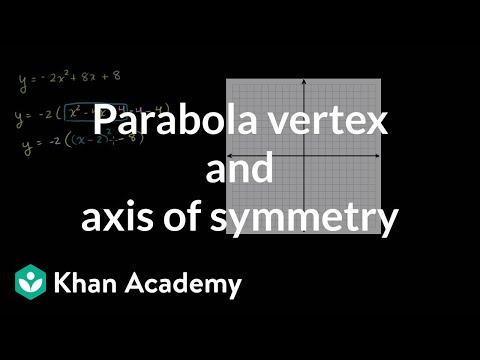
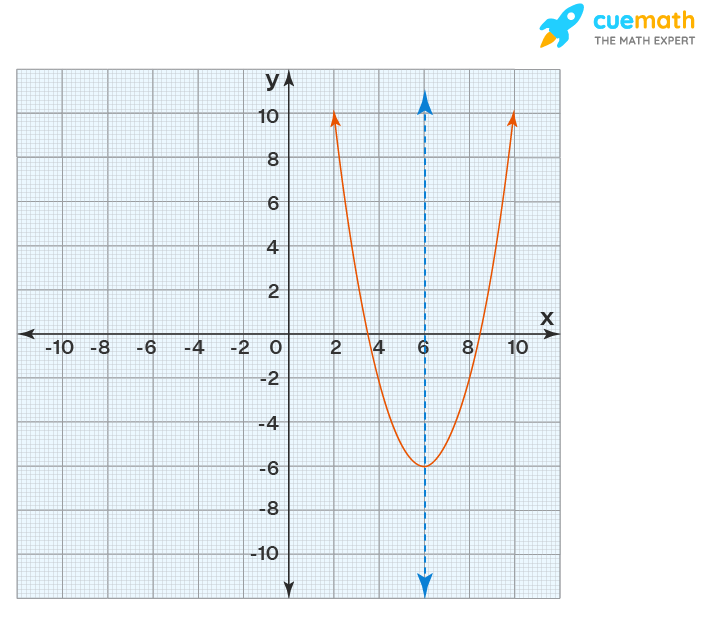
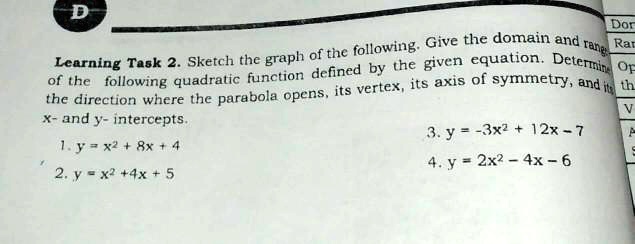
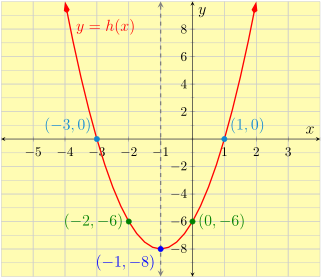
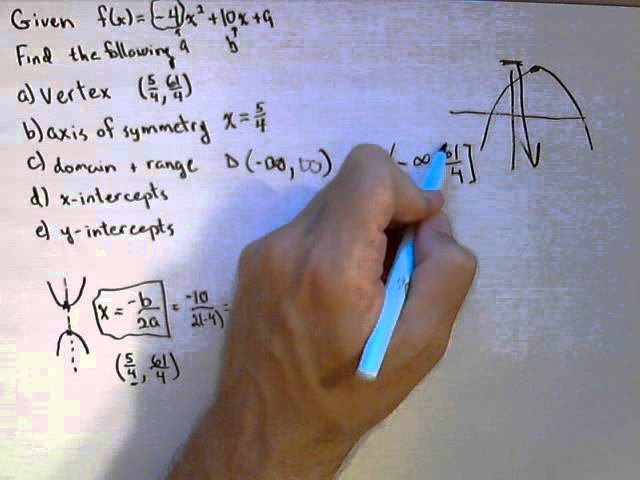
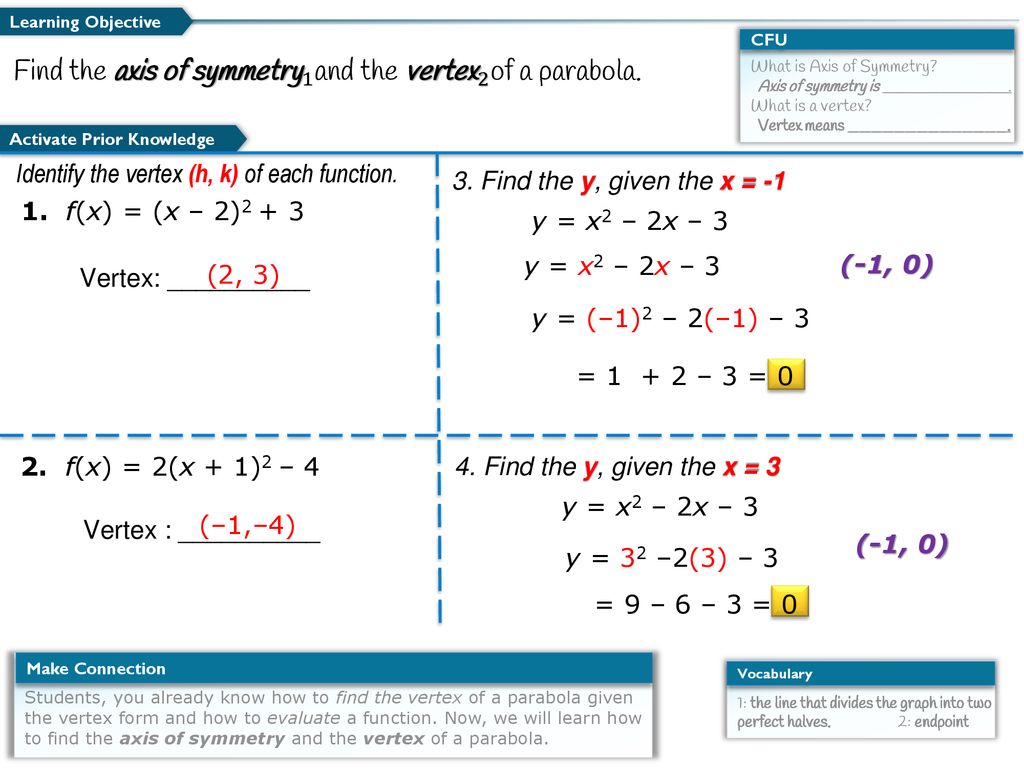
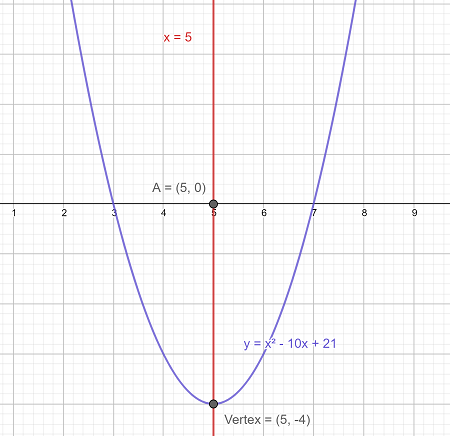
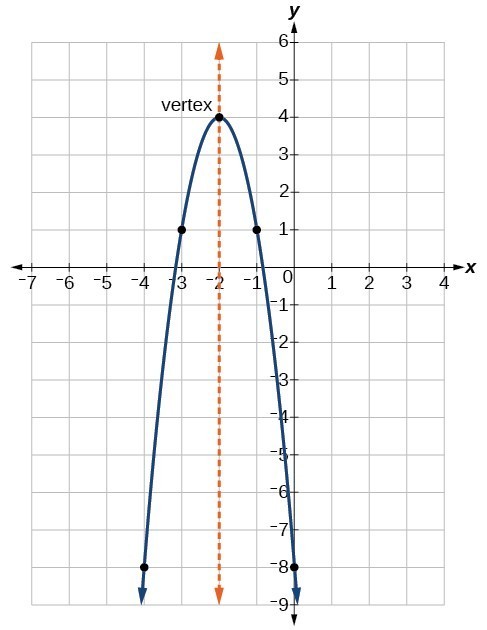
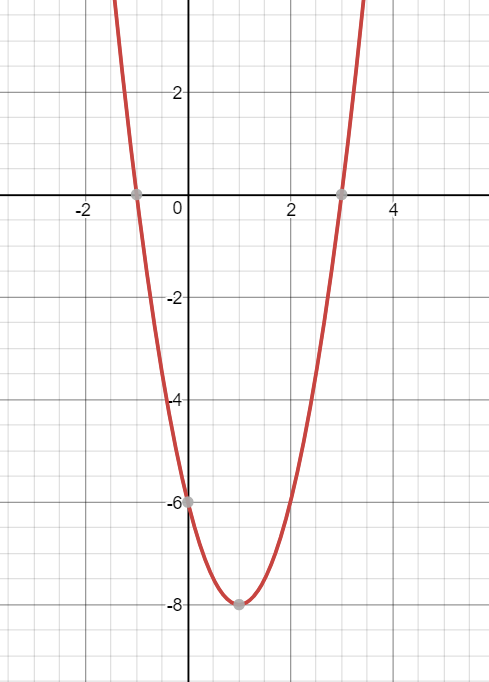
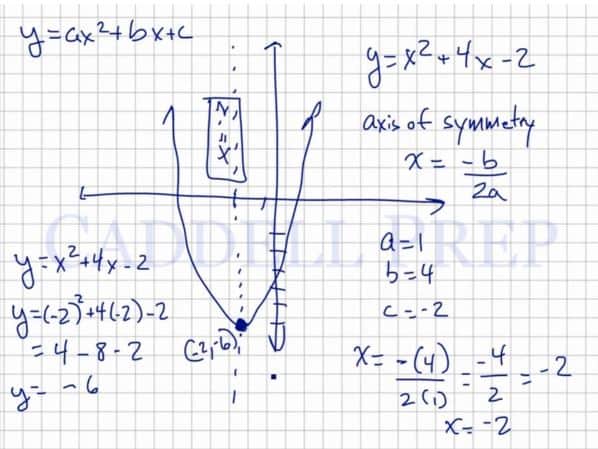
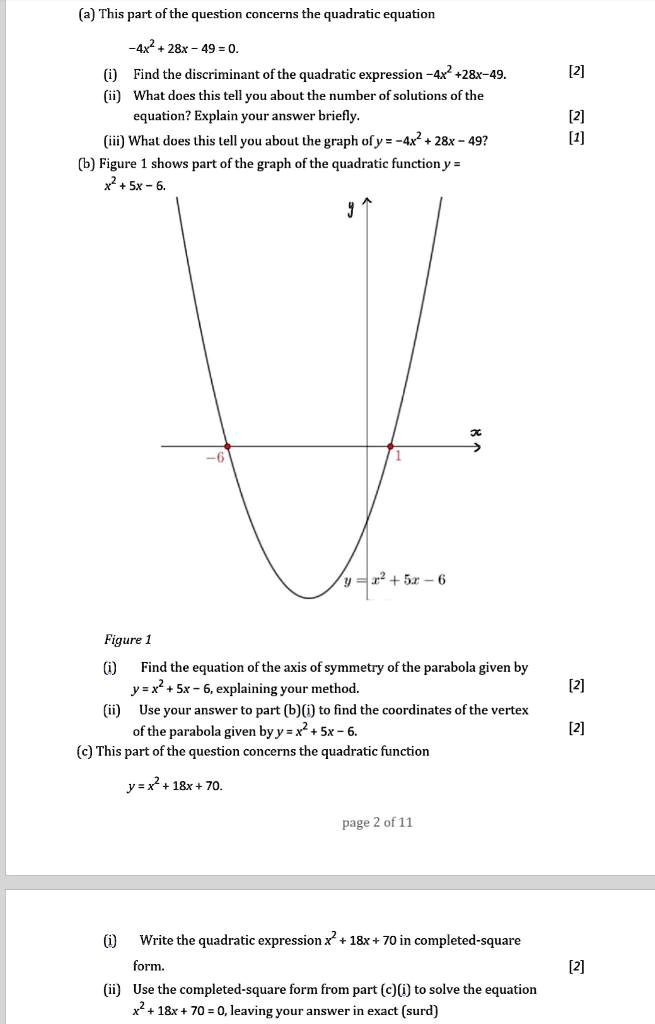
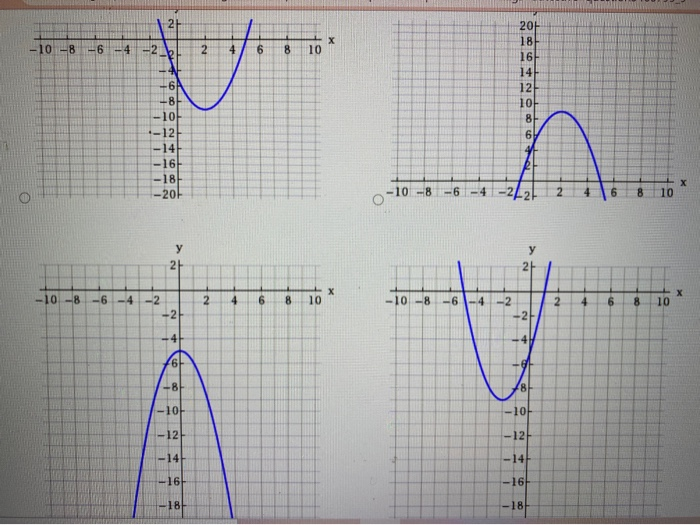
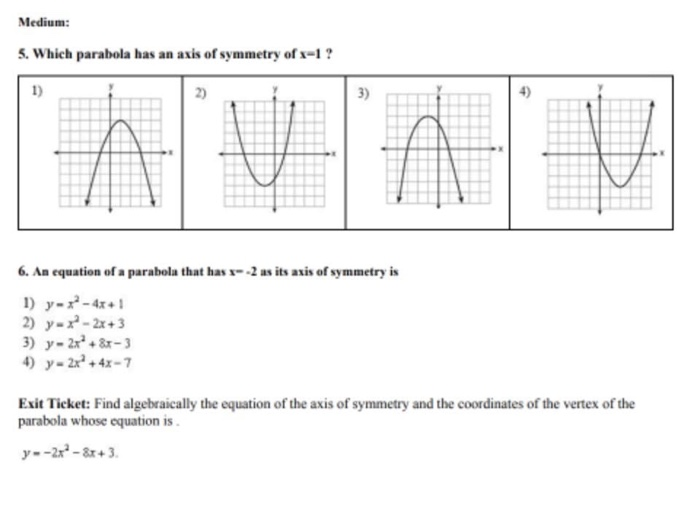
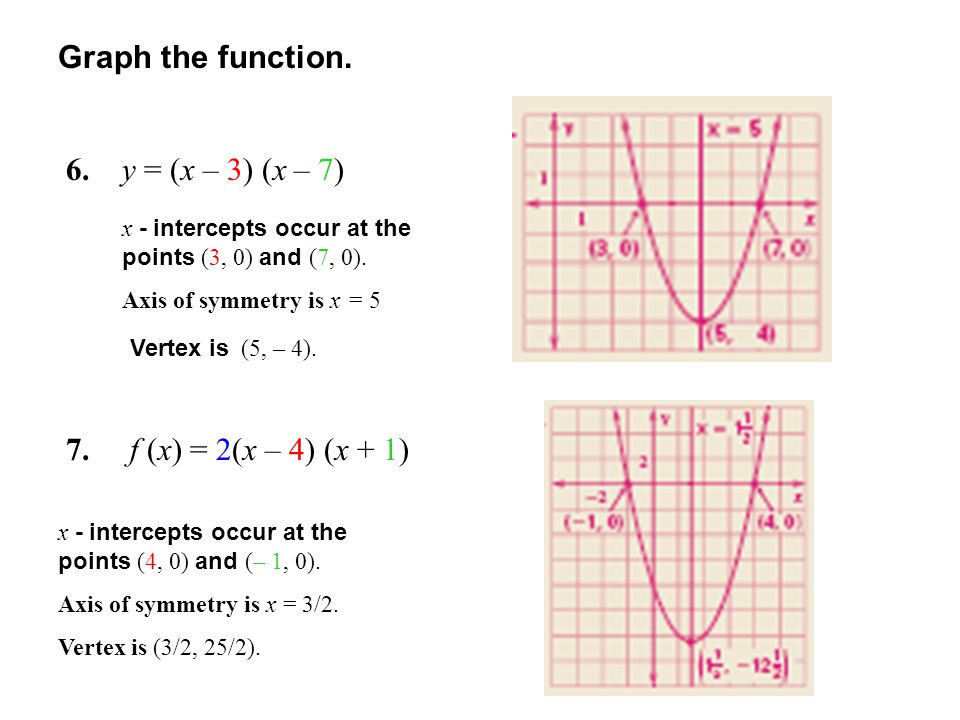
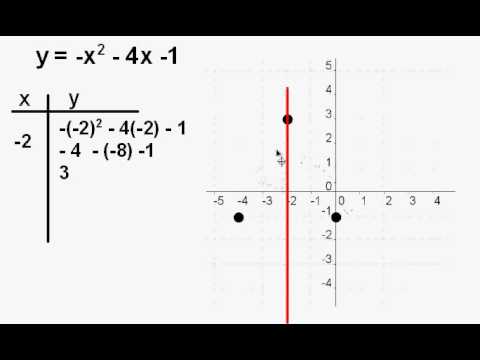
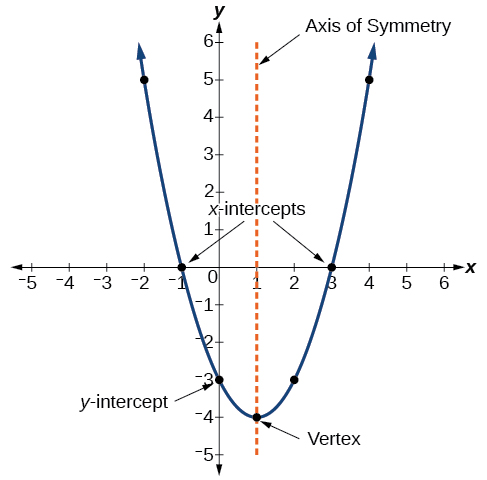
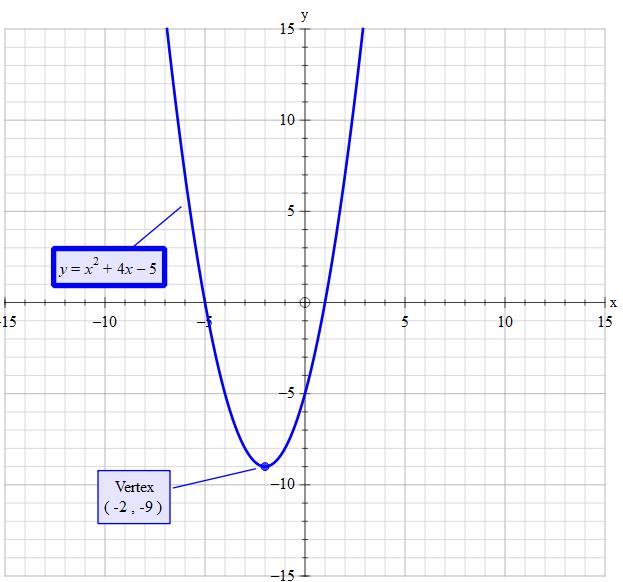
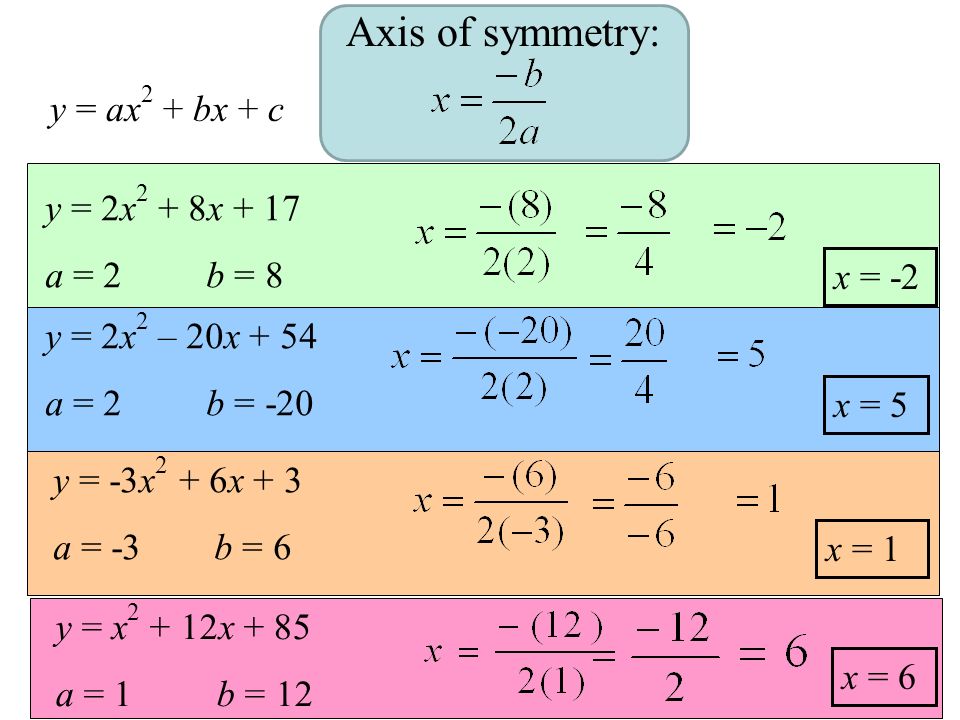
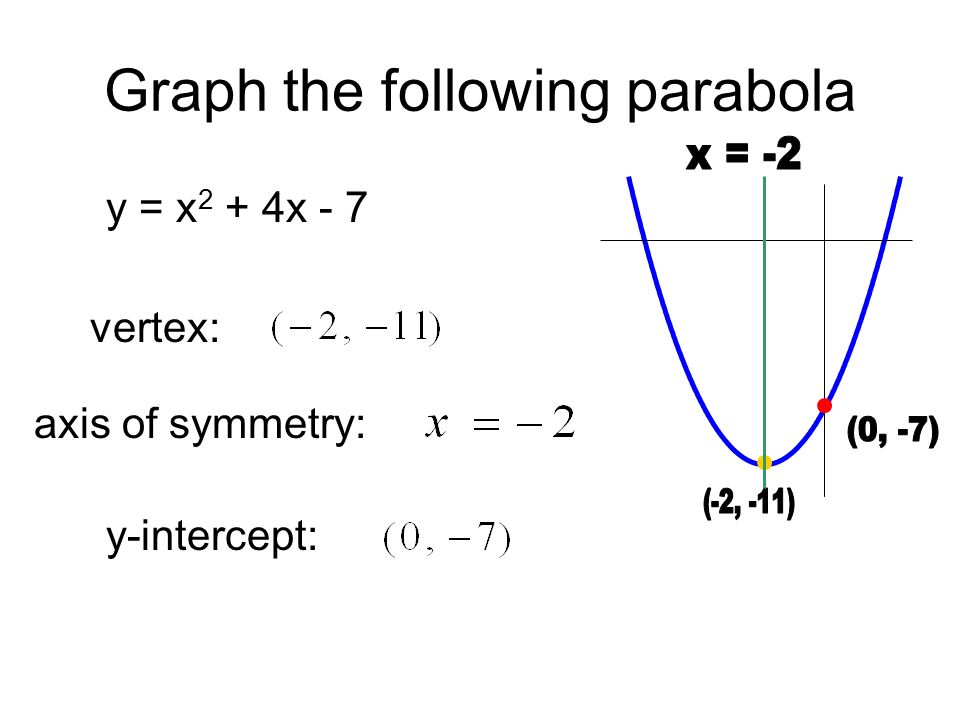
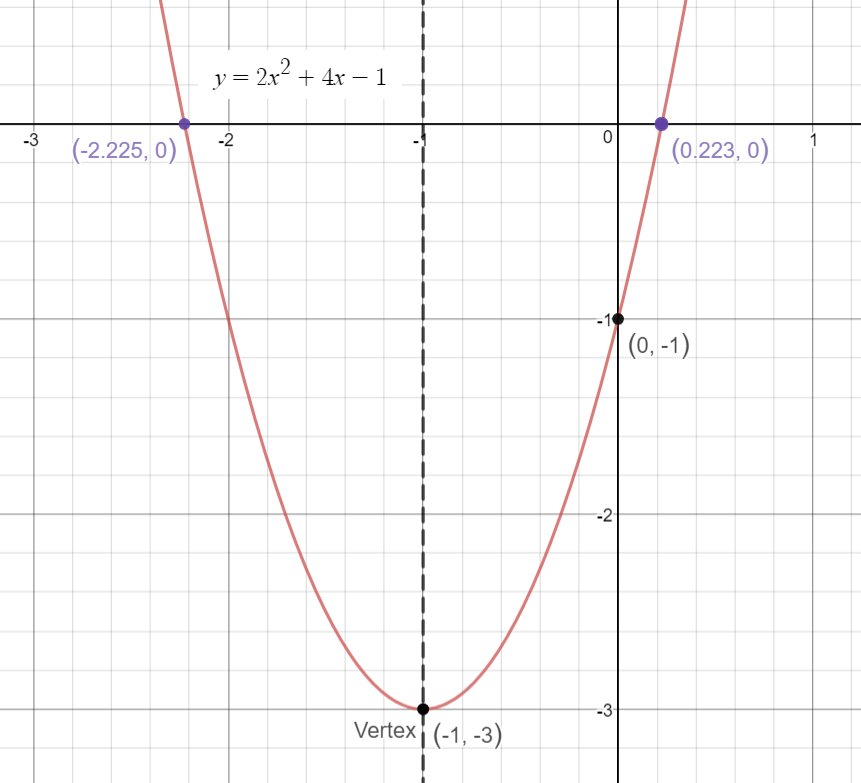
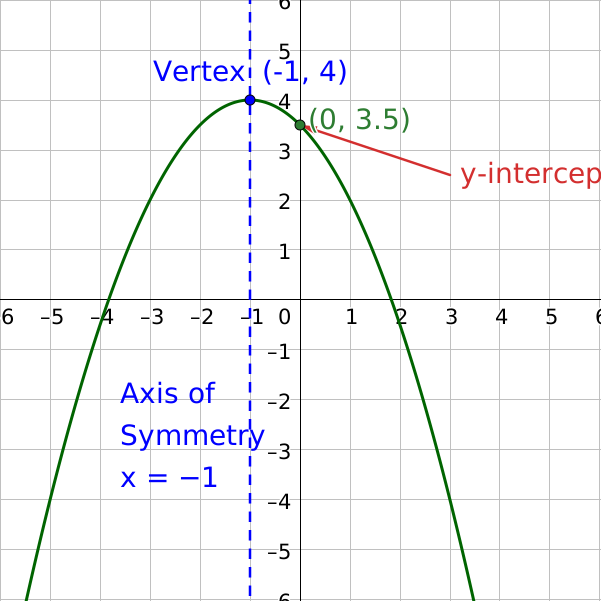
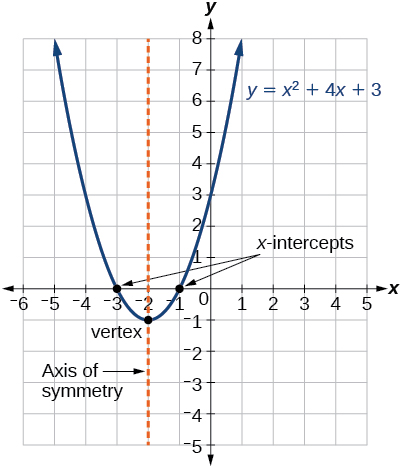
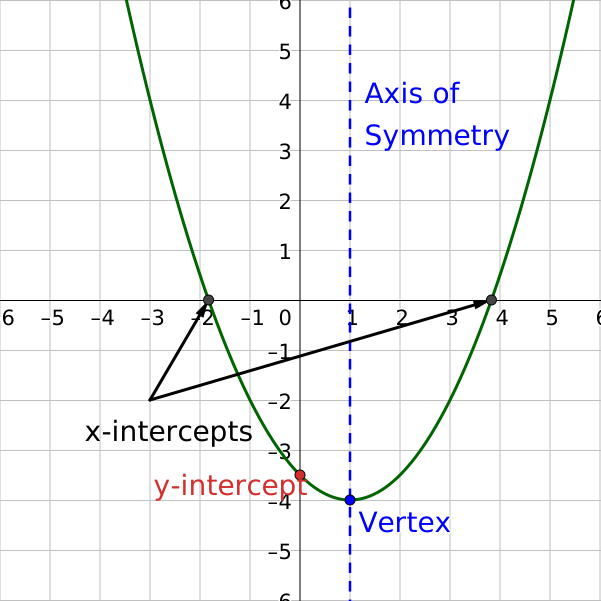
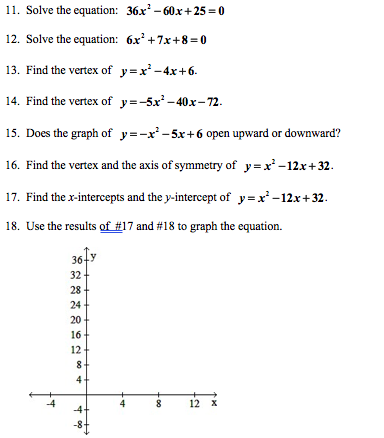
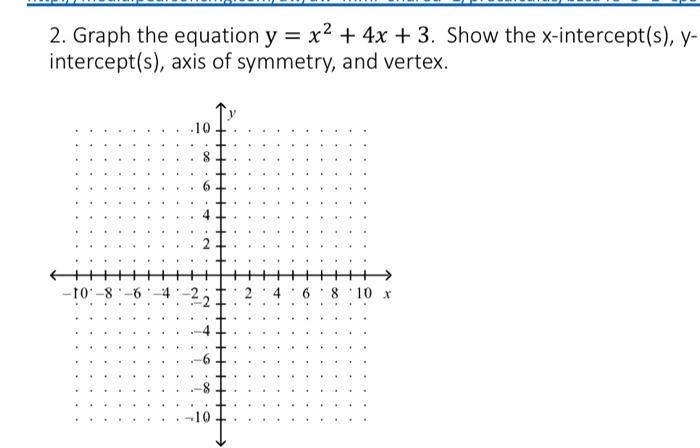
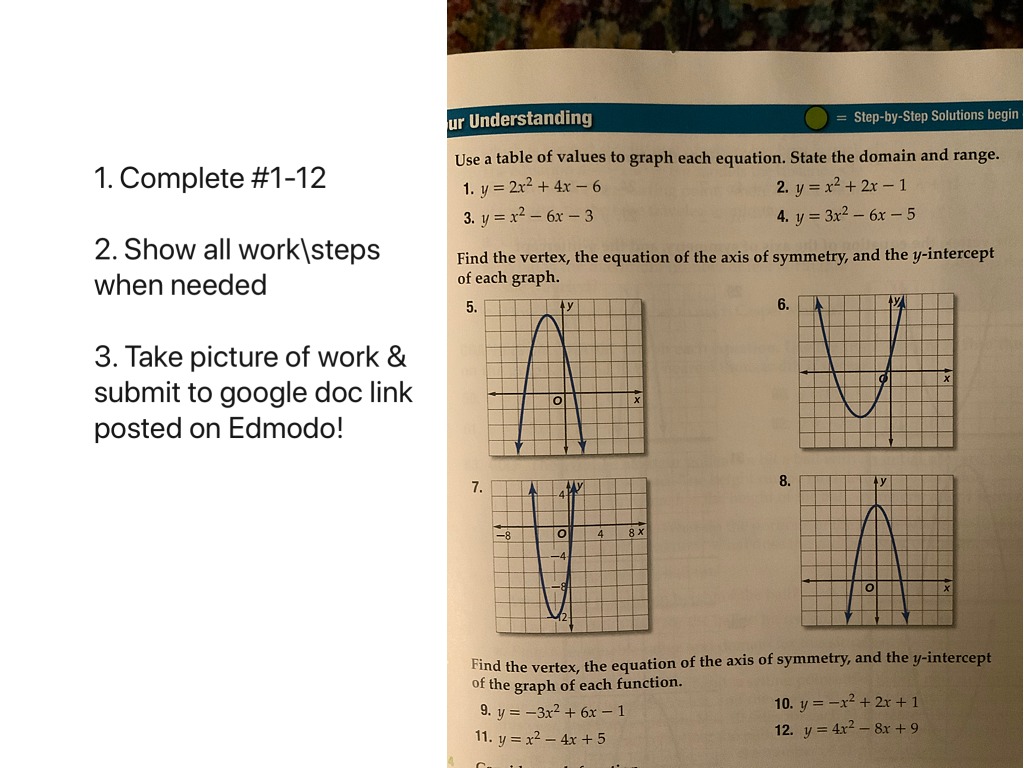
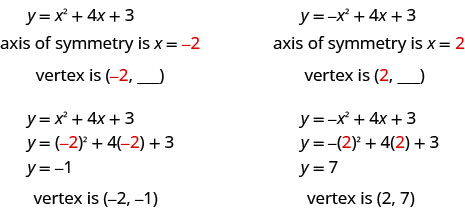
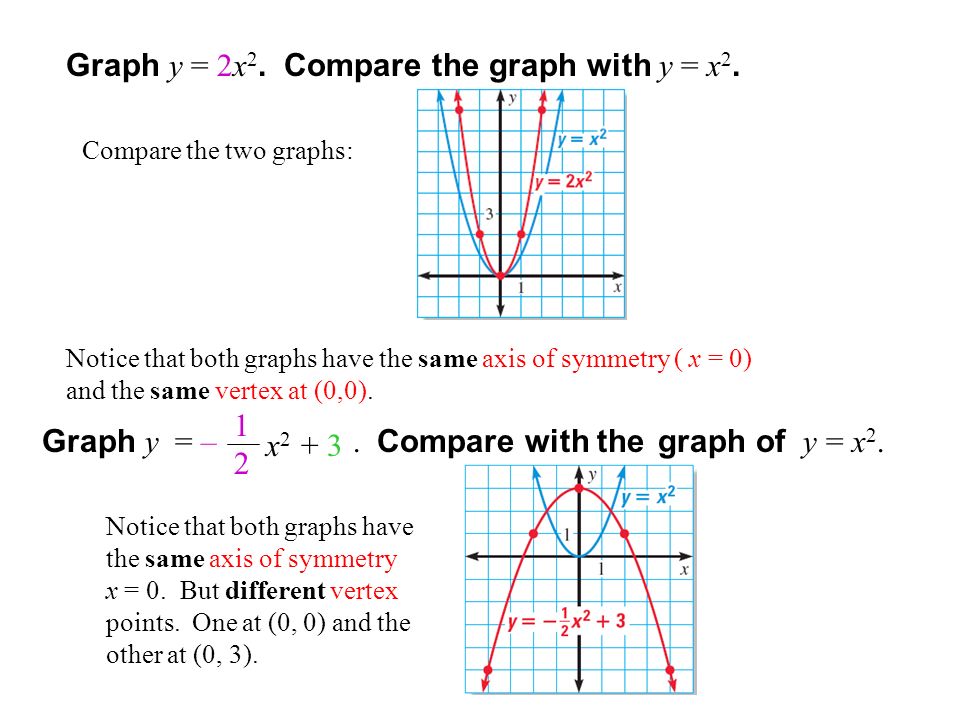
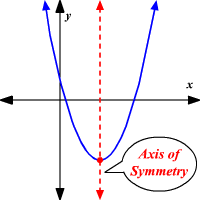
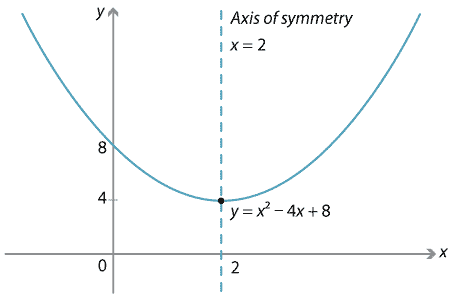
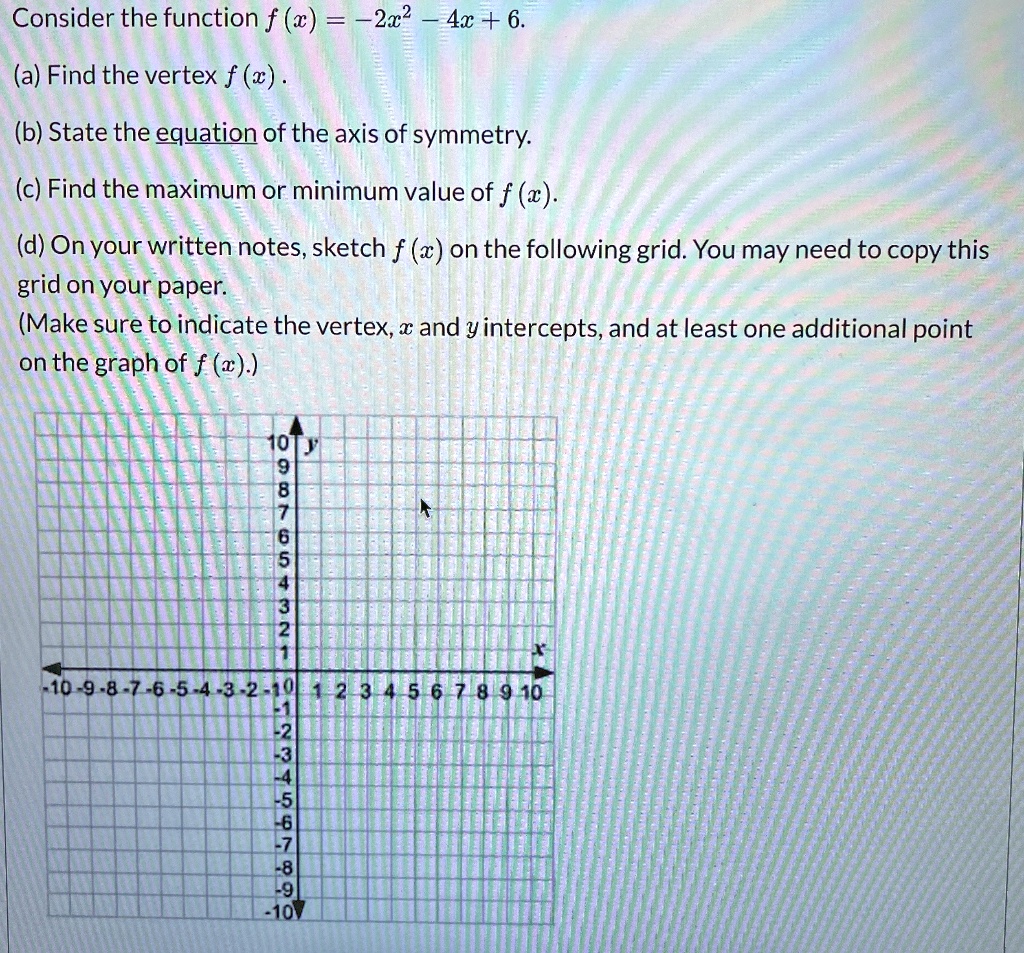
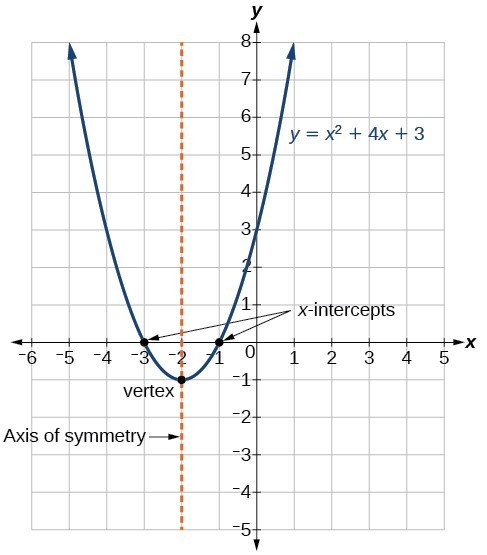
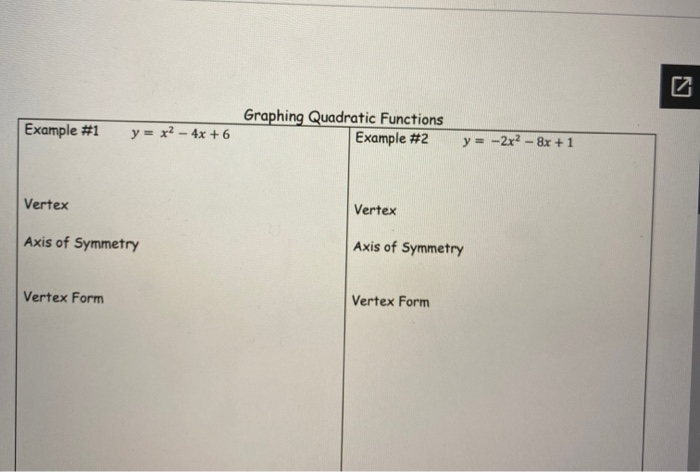
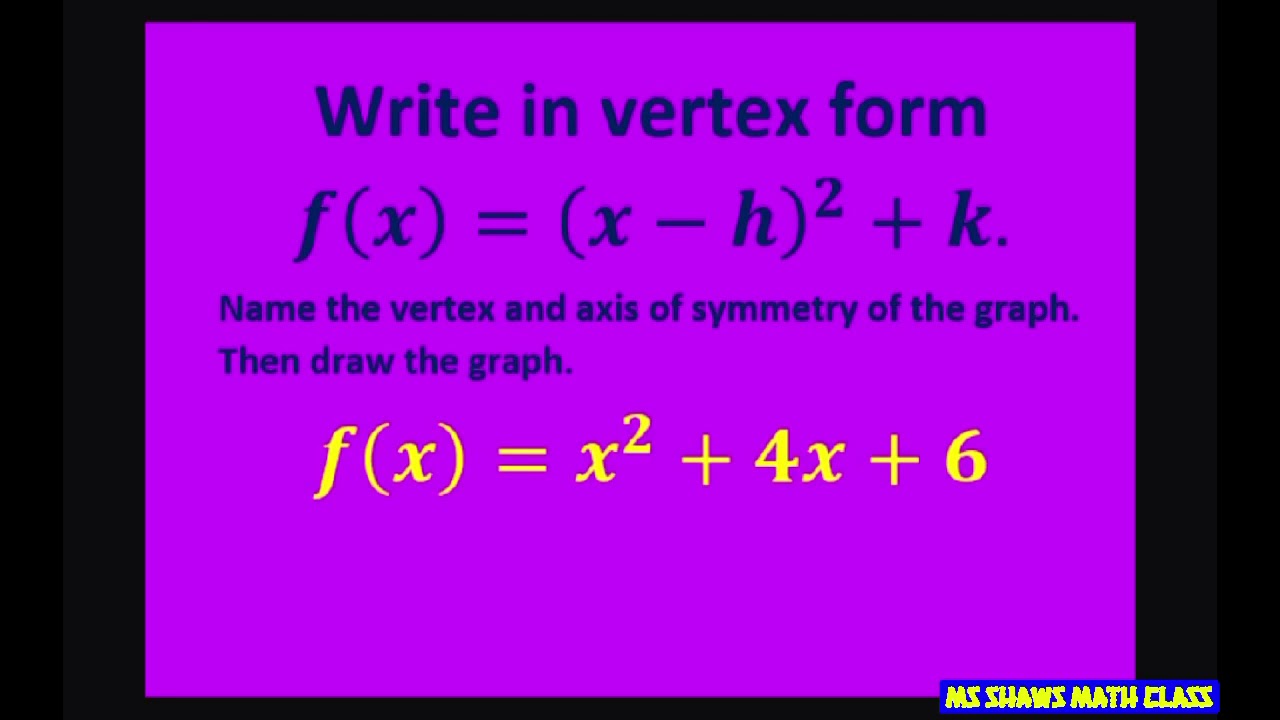
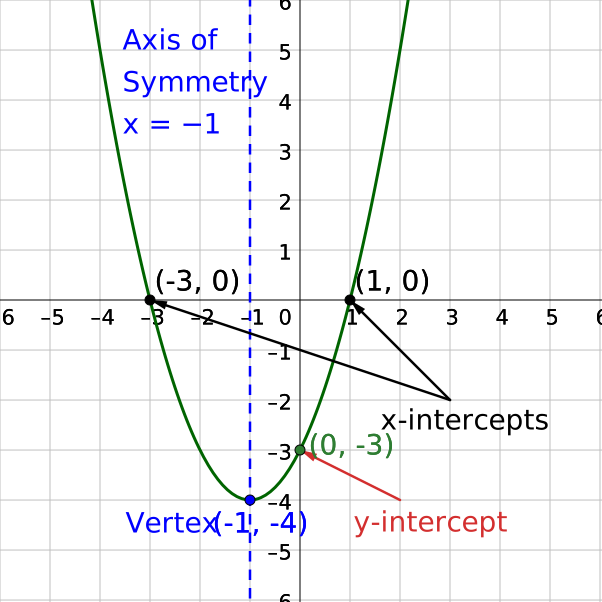
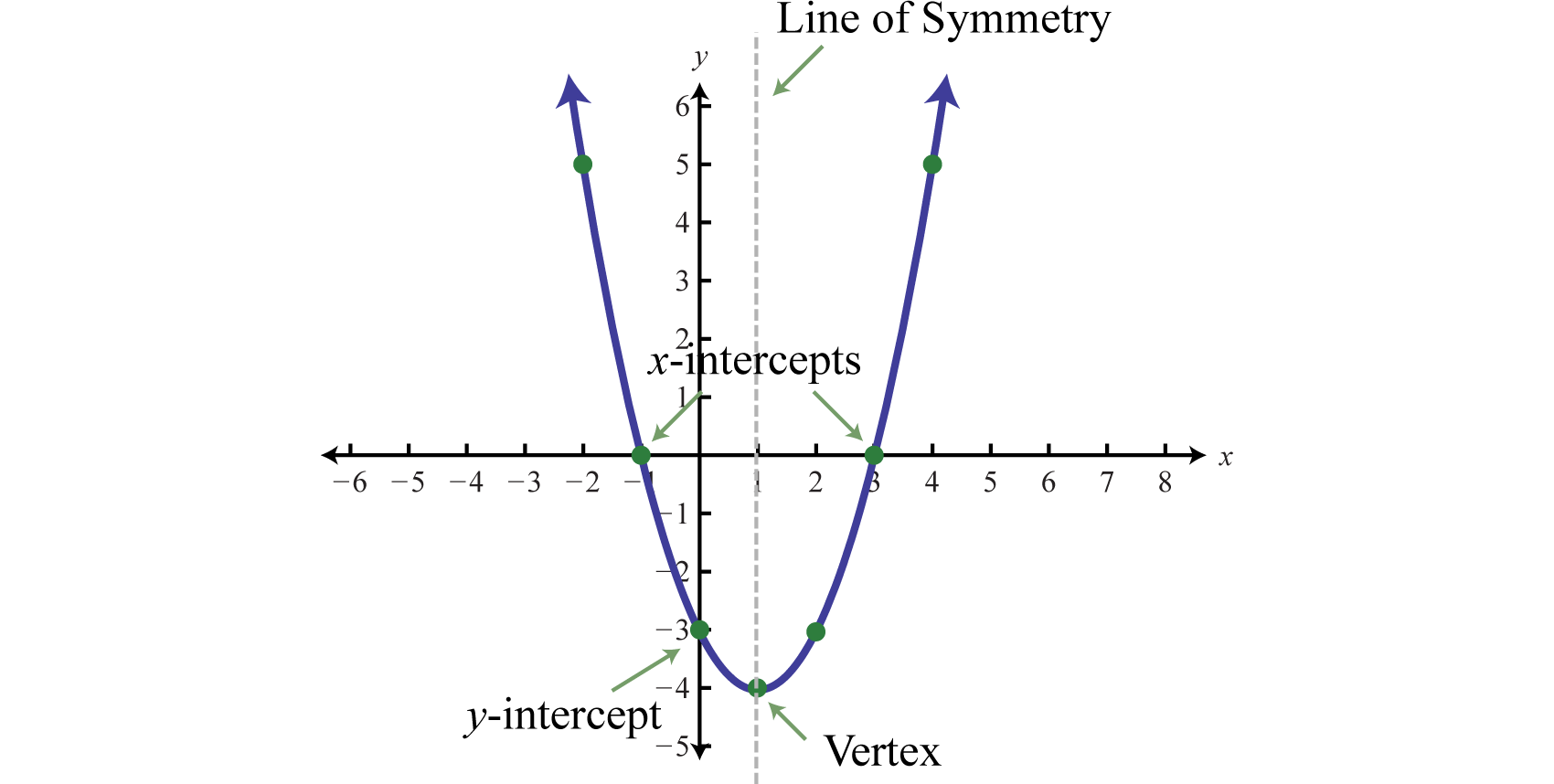
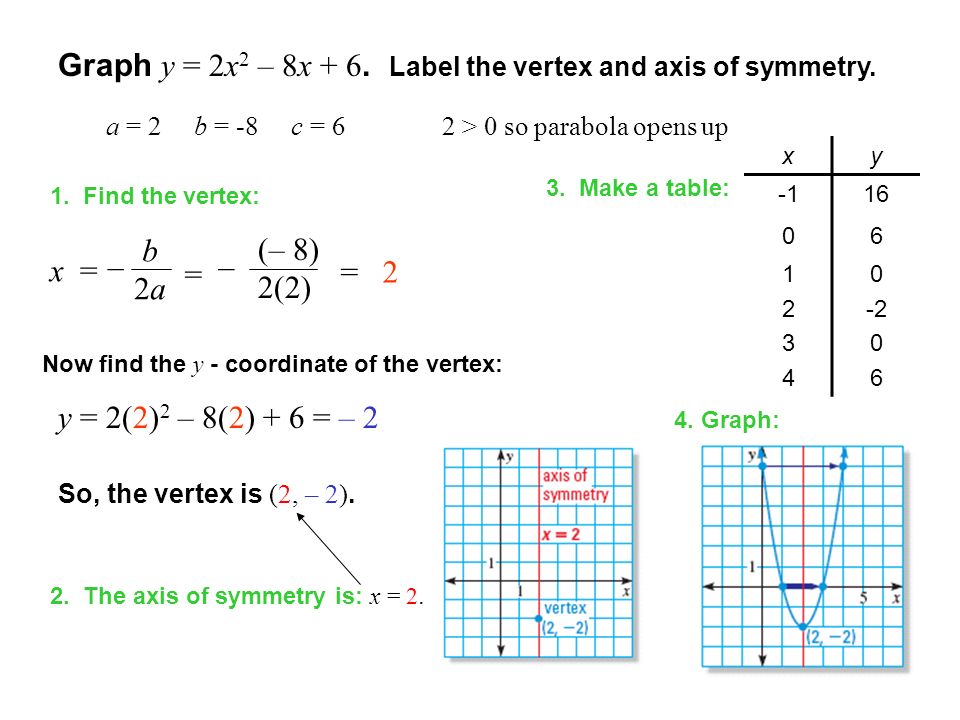
Y=x^2-4x+6 axis of symmetry- y = − 1 4 x2 − 2x −6, is a quadratic equation in standard form where a = − 1 4, b = −2, and c = −6 Axis of Symmetry the vertical line that divides the parabola into two equalSolution for 2 For the quadratic relation, y= (x0) (x 6) explain how to find Equation of the axis of symmetry
Y=x^2-4x+6 axis of symmetryのギャラリー
各画像をクリックすると、ダウンロードまたは拡大表示できます
 |  | |
 |  | |
 |  | |
 |  |  |
「Y=x^2-4x+6 axis of symmetry」の画像ギャラリー、詳細は各画像をクリックしてください。
 |  |  |
 |  |  |
 | ||
 | ||
「Y=x^2-4x+6 axis of symmetry」の画像ギャラリー、詳細は各画像をクリックしてください。
 |  |  |
 |  | |
 |  |  |
 |  |  |
「Y=x^2-4x+6 axis of symmetry」の画像ギャラリー、詳細は各画像をクリックしてください。
 |  |  |
 |  | |
 |  | |
 |  |  |
「Y=x^2-4x+6 axis of symmetry」の画像ギャラリー、詳細は各画像をクリックしてください。
 |  | |
 |  |  |
 |  |  |
 |  |  |
「Y=x^2-4x+6 axis of symmetry」の画像ギャラリー、詳細は各画像をクリックしてください。
 |  | |
 | ||
 |  | |
 |  |  |
「Y=x^2-4x+6 axis of symmetry」の画像ギャラリー、詳細は各画像をクリックしてください。
 |  | |
 |  | |
 | ||
 |  | |
「Y=x^2-4x+6 axis of symmetry」の画像ギャラリー、詳細は各画像をクリックしてください。
 |  |  |
 | ||
 |  |  |
 | ||
「Y=x^2-4x+6 axis of symmetry」の画像ギャラリー、詳細は各画像をクリックしてください。
 |  |  |
 |  | |
 |  |
The equation y = x^2 has axis of symmetry of x = 0 The answer to the question is y = x^2 2 which is y = x^2 moved vertically up to 2 units y=x^22 Stepbystep explanation QuadraticUse the caret ^ (above the 6) to denote an exponent !
Incoming Term: y=x^2-4x+6 axis of symmetry,


0 件のコメント:
コメントを投稿